
Weather plays a crucial role in helicopter tour operations. Pilots and tour operators must constantly monitor conditions to ensure passenger safety and enjoyable experiences. Helicopter tours typically cannot fly in heavy rain, fog, strong winds exceeding 30-35 knots, or when visibility drops below minimum requirements set by aviation authorities.
Most helicopter tour companies have clear weather policies that allow for rescheduling or refunds when flights must be canceled. These policies exist because helicopters are more sensitive to weather conditions than larger aircraft. They require greater stability and visibility to operate safely.
Understanding these weather restrictions helps passengers plan better for their tours. While disappointment from a canceled flight is natural, these decisions are always made with safety as the top priority. Weather conditions can change rapidly, so operators often make final decisions about flights just hours before scheduled departure times.
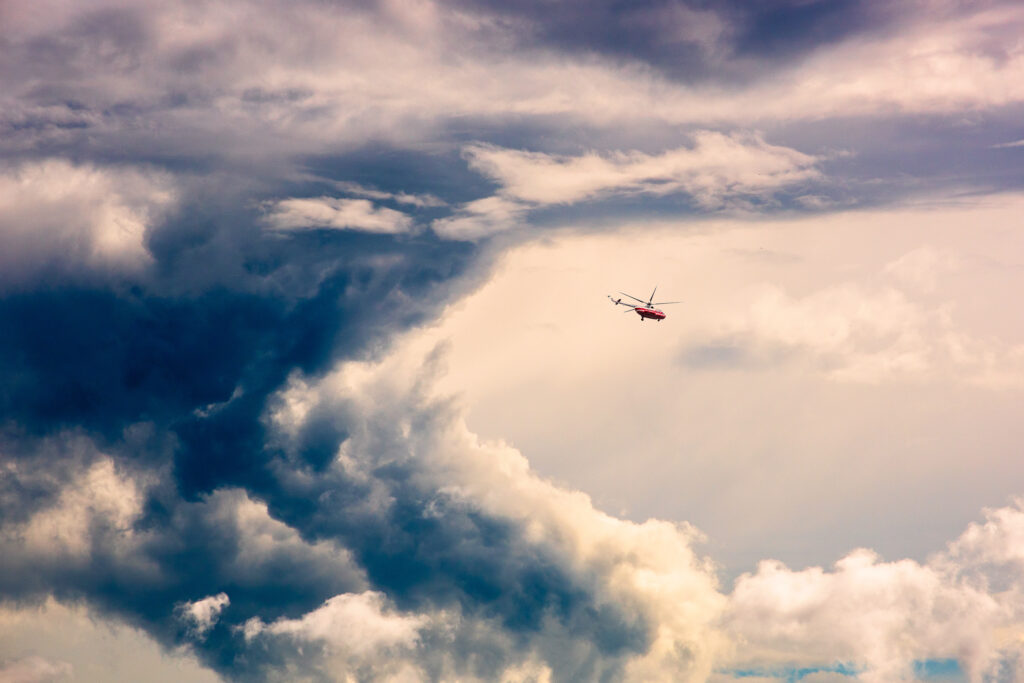
How Weather Affects Helicopter Flight Operations
Weather conditions directly influence helicopter flight safety and determine whether tours can proceed as scheduled. Pilots assess multiple factors before takeoff to ensure passenger safety remains the top priority.
Key Weather Factors Considered for Tours
Helicopter tour operators monitor several critical weather elements before any flight. Temperature affects air density and impacts helicopter performance, especially at higher elevations. Extreme heat reduces lift capability and may require passenger or fuel load adjustments.
Precipitation presents obvious hazards, with rain reducing visibility and potentially damaging sensitive equipment. Thunderstorms are particularly dangerous due to unpredictable downdrafts, lightning, and hail.
Fog and low clouds create challenging conditions that can develop quickly in coastal and mountain regions. Many tour companies use real-time weather monitoring systems to track these conditions.
Time of day also matters, as twilight and darkness amplify visibility challenges. Most tour operators schedule flights during optimal daylight hours when weather conditions are typically more stable and predictable.
Visibility and Cloud Ceiling Requirements
FAA regulations establish minimum visibility requirements for helicopter tours. Under Visual Flight Rules (VFR), pilots must maintain:
- At least 3 miles of visibility in controlled airspace
- 1 mile visibility in uncontrolled airspace
- Clear of clouds in uncontrolled airspace below 1,200 feet
Cloud ceiling height is equally important. Tour helicopters typically need at least 1,000 feet between the ground and cloud base to operate safely. This ensures pilots can maintain visual references to the ground.
Many tour companies set even stricter internal standards than FAA minimums. For instance, a tour company might require 5 miles visibility for certain routes, especially in mountainous terrain where weather can change rapidly.
Wind Conditions and Safety Limits
Wind presents unique challenges for helicopters. Crosswinds during takeoff and landing can make controlling the aircraft difficult. Most tour operators establish maximum crosswind limits of 15-20 knots.
Gusting winds are particularly problematic. A steady 15-knot wind might be acceptable, but if gusts reach 25 knots, operators often cancel flights due to unpredictable aircraft responses.
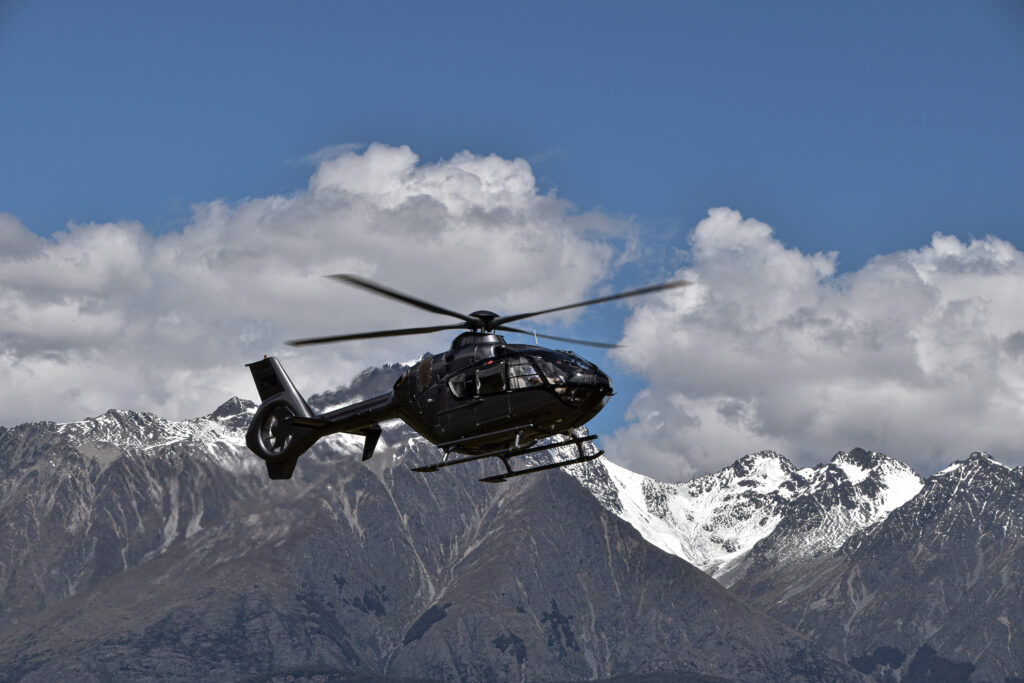
Mountain flying introduces concerns about updrafts and downdrafts. These invisible air movements can suddenly push helicopters up or down by hundreds of feet. Experienced pilots learn to recognize terrain features that might create these dangerous conditions.
Helicopters have specific wind limitations based on their model and weight. Light tour helicopters typically have lower wind tolerances than larger military or utility models. Pilots conduct thorough pre-flight briefings about wind conditions, especially when operating near their aircraft’s limits.
Weather Policies for Helicopter Tours
Helicopter tours operate under strict weather guidelines to ensure passenger safety while maximizing flight opportunities. These policies balance safety requirements with customer experience through established thresholds, systematic decision-making processes, and continuous weather monitoring.
Standard Operating Weather Thresholds
Helicopter tours typically require visibility of at least 3 miles for day operations and 5 miles for night flights. Ceiling heights (cloud base) must remain above 1,000 feet for most scenic tours, though this may vary by location and terrain.
Wind speeds must generally stay below 30 knots (35 mph), with crosswind limitations of 15-20 knots depending on aircraft type. Gusting conditions may lower these thresholds further.
Temperature extremes also affect operations. Most tour helicopters operate optimally between 20°F and 100°F, with performance limitations in high-density altitude conditions (hot, humid, high-elevation environments).
Key Weather Parameters:
- Visibility: 3+ miles (day), 5+ miles (night)
- Cloud ceiling: 1,000+ feet
- Wind: Under 30 knots steady
- No thunderstorms within 10 miles
- No freezing precipitation
Decision-Making Process for Flight Cancellations
Tour operators employ a multi-step decision process when evaluating weather conditions. The chief pilot or operations director typically makes the final determination after consulting with pilots and meteorologists.
Safety always takes priority over commercial considerations. Many companies implement a “pilot discretion” policy, empowering individual pilots to cancel flights regardless of official weather minimums if they identify safety concerns.
Most operators provide 2-4 hour advance notice for weather cancellations when possible. However, rapidly changing conditions may necessitate last-minute decisions.
Customer communication protocols include:
- Direct contact through text/email/phone
- Rebooking options at no additional cost
- Full or partial refunds based on company policy
- Alternative tour suggestions when available
Weather Forecast Monitoring and Real-Time Assessments
Tour companies utilize multiple weather data sources to maintain situational awareness. Professional aviation weather services like ForeFlight and Aviation Weather Center provide specialized forecasts tailored to flight operations.
On-site weather stations at heliports deliver real-time data on wind speed, direction, temperature, and pressure trends. Many operators install webcams at key locations to visually monitor changing conditions.
Pilots conduct pre-flight weather briefings 1-2 hours before departure, reviewing:
- Terminal Aerodrome Forecasts (TAFs)
- METARs (current conditions)
- Area Forecasts
- Pilot Reports (PIREPs)
- Radar imagery
During longer tours, pilots maintain communication with base operations for updates on developing weather systems that might affect return routes or require course adjustments.
Types of Weather That Ground Helicopter Tours
Safety is the top priority for helicopter tour operators, and certain weather conditions can make flying dangerous or impossible. These conditions include heavy rain, low visibility, and high winds.
Heavy Rain and Thunderstorm Protocols
Helicopter tours are typically grounded during heavy rainfall and thunderstorms. Even moderate rain can reduce visibility and create hazardous flying conditions. Most operators follow strict rainfall thresholds – commonly canceling flights when precipitation exceeds 0.25 inches per hour. It’s very common for it to be raining parts of Maui, especially on along the Road to Hana. Maui Helicopter tour pilots are well trained for handling typical rain and know when they should turn around.
Thunderstorms pose multiple dangers to helicopters: lightning strikes, unpredictable wind shear, and severe turbulence. Tour companies maintain a minimum safe distance from storm cells, usually 10-20 miles depending on the storm’s intensity.
Many operators use weather radar systems to track approaching storm systems and make proactive cancellation decisions. This helps avoid situations where tours must be cut short mid-flight due to rapidly changing conditions.
Passengers should expect automatic cancellations whenever lightning is present in the vicinity of planned flight paths.
Low Visibility Scenarios
Helicopters require certain visibility minimums to operate safely. For most tour operators, flights are canceled when visibility drops below 3 miles, though this may vary by location and specific flight rules.
Common visibility obstacles include:
- Fog: Especially problematic in coastal and mountain regions
- Low cloud ceilings: Tours typically require at least 1,000 feet between ground and cloud base
- Smog or haze: Can reduce visibility in urban areas
- Smoke: From wildfires or controlled burns
Visibility requirements are stricter for tours operating under Visual Flight Rules (VFR), which most tour companies follow. Some operators may use special instruments for limited low-visibility flying, but this is uncommon for tourist flights.
Morning tours in foggy areas often face higher cancellation rates, while afternoon tours may have better conditions.
High Wind and Gust Restriction Criteria
Wind poses significant challenges for helicopter operations. Most tour companies set strict wind speed limits, typically grounding tours when sustained winds exceed 30-35 knots (35-40 mph).
Wind gusts create additional hazards. Many operators use a formula where maximum acceptable gust speeds are 1.5 times the sustained wind limit. For example, if the sustained wind limit is 30 knots, flights might be canceled when gusts exceed 45 knots.
Turbulence is another wind-related concern. Helicopters are particularly susceptible to:
- Mountain wave turbulence near ridges
- Mechanical turbulence around buildings and structures
- Thermal turbulence on hot days
Wind direction also matters – crosswinds during takeoff and landing are more problematic than headwinds. Most operators assess wind conditions both at departure/landing sites and along the entire tour route before making flight decisions.
Guest Experience and Communication During Weather Delays
Clear communication and proper handling of delays are critical when weather affects helicopter tour schedules. Companies prioritize passenger safety while maintaining positive experiences even when flights cannot proceed as planned.
Notifying Passengers of Delays or Cancellations
Tour operators typically contact guests about weather-related changes as early as possible. Most companies send notifications via text message, email, or phone calls at least 2-3 hours before scheduled departure times.
Many operators use real-time weather tracking systems to make informed decisions quickly. These systems help staff provide accurate information about delay duration or the likelihood of cancellation.
Professional tour companies maintain detailed contact information and communication preferences for all guests. This ensures everyone receives timely updates through their preferred channels.
Standard notification information includes:
- Reason for delay/cancellation
- Estimated new departure time (if applicable)
- Rescheduling options
- Refund availability
- Alternative activities or tours
Rescheduling and Refund Procedures
Most helicopter tour companies offer flexible rescheduling policies for weather-related cancellations. Guests can typically reschedule without penalty for up to one year from the original booking date.
For visitors unable to reschedule, refund policies vary by company. The industry standard is full refunds for weather cancellations initiated by the operator, usually processed within 3-7 business days.
Common refund options include:
- Full monetary refund
- Credit toward future tours (sometimes with added value)
- Transfer to alternative experiences
- Partial flight options when possible
Many companies now use automated systems that allow guests to select their preferred option online. This reduces wait times and streamlines the rebooking process.
Tour operators often maintain partnerships with local attractions to provide alternative experiences during delays, helping salvage vacation plans despite weather disruptions.
Safe Flying Practices and Pilot Training for Weather Scenarios
Helicopter tour safety depends on rigorous pilot training and strict weather protocols. Pilots undergo specialized training to assess weather conditions and make sound decisions about flight safety.
Pilot Qualifications in Weather Assessment
Helicopter tour pilots must hold Commercial Pilot Licenses with specific rotorcraft ratings. They need a minimum of 1,000-2,000 flight hours before conducting commercial tours in most companies.
Weather assessment training is mandatory and includes:
- Meteorological Theory – Understanding weather patterns, frontal systems, and local phenomena
- Practical Application – Real-time weather data interpretation
- Decision-Making Skills – When to delay, reroute, or cancel flights
Pilots learn to recognize dangerous conditions like microbursts, wind shear, and rapidly forming cloud systems. They must demonstrate proficiency in using weather radar, satellite imagery, and aviation weather reports.
Most tour companies require pilots to pass quarterly weather scenario simulations. These test a pilot’s ability to make quick, safe decisions when conditions change unexpectedly.
Ongoing Safety Training
Tour operators maintain comprehensive safety programs focused on weather-related challenges. Pilots typically complete recurrent training every 6 months.
This training includes:
| Training Type | Frequency | Focus Areas |
|---|---|---|
| Simulator Sessions | Quarterly | Emergency weather procedures |
| Classroom Updates | Semi-annual | New weather technology and protocols |
| Flight Reviews | Annual | Practical weather assessment skills |
Pilots regularly participate in “what-if” scenario training. This helps them prepare for challenging weather situations they might face with passengers aboard.
Many companies use flight data monitoring systems to review pilot decisions after flights. This data helps identify patterns and improve training programs.
Industry organizations also provide specialized courses on mountain weather, coastal fog patterns, and thermal activity. These supplement the company’s regular training requirements.